The Importance of Mold Inspection & Removal Services
Mold can develop in homes and commercial buildings wherever excess moisture creates suitable conditions for growth. Leaking pipes, roof damage, flooding, poor ventilation, and persistent humidity are just a few factors that may contribute to a mold problem. Because mold is not always immediately visible, property owners may be unaware of an issue until it has spread beyond its original location.
Professional mold inspection and removal services can help identify potential problems, determine the extent of affected areas, and establish an appropriate plan for addressing mold growth. Taking action promptly can help protect your property and create a cleaner, healthier indoor environment.
Mold Isn't Always Easy to Detect
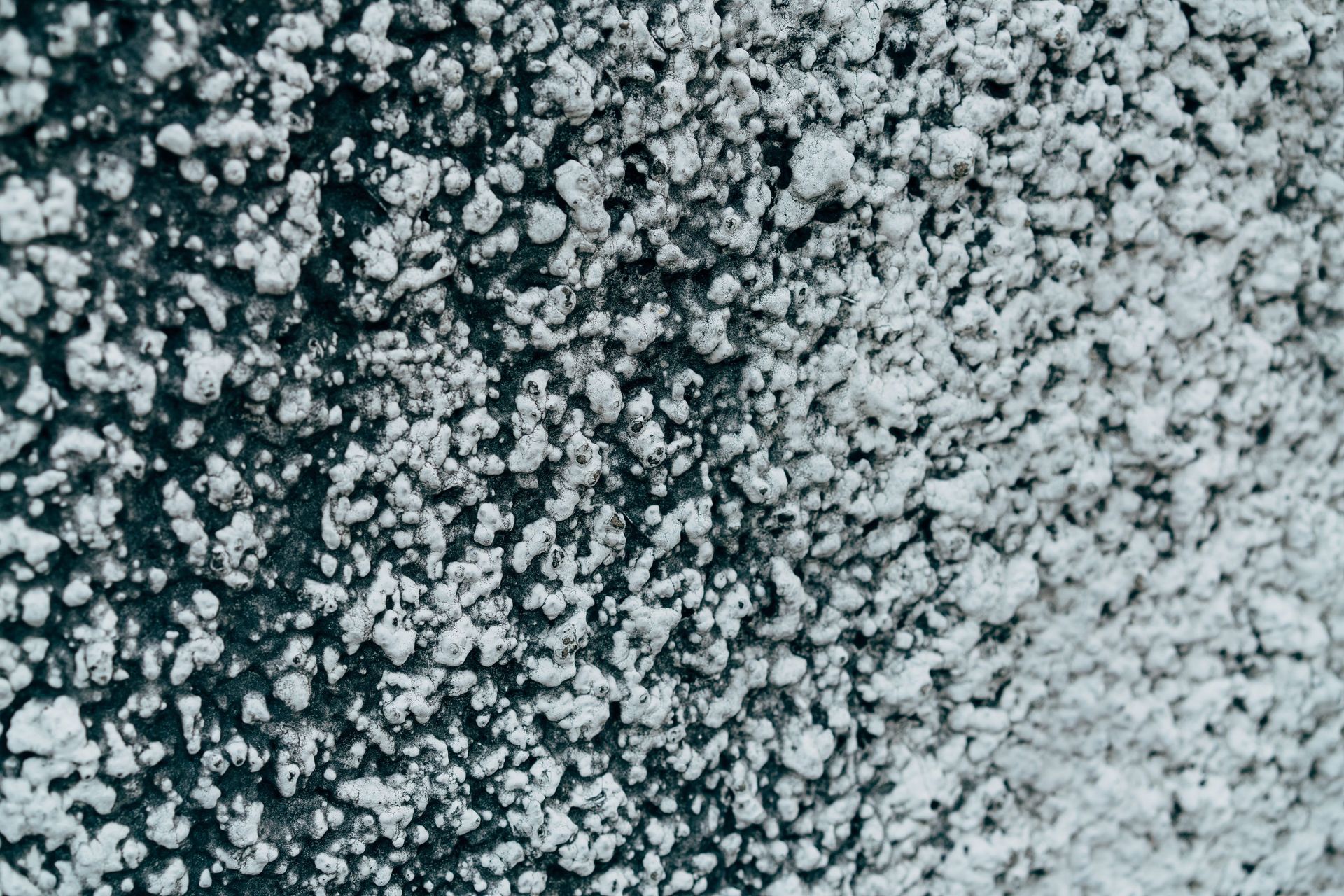
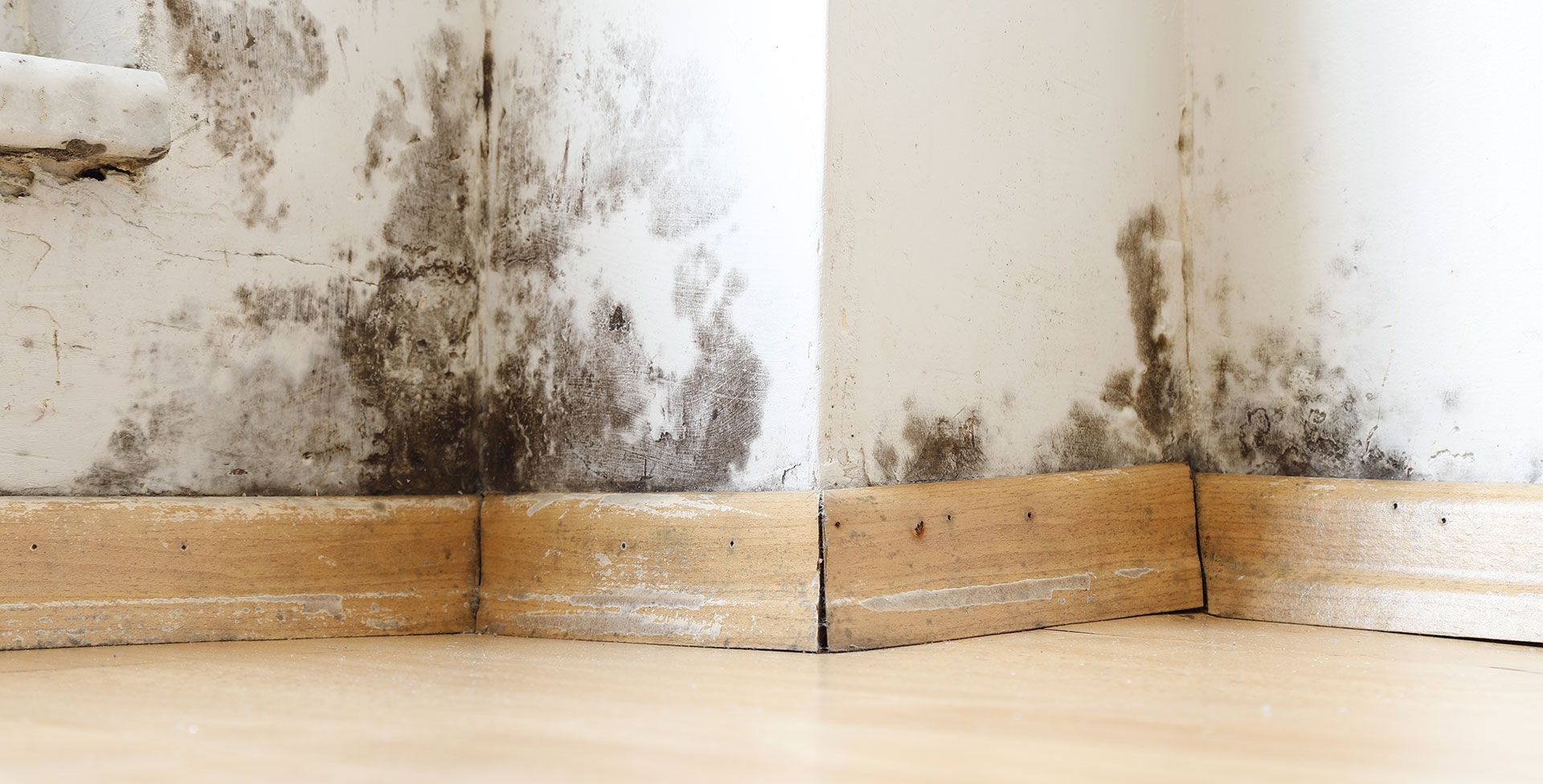
Some mold growth is readily noticeable on walls, ceilings, flooring, or other surfaces. In other cases, mold may develop in concealed areas where property owners rarely look.
Potential locations for hidden mold can include:
- Behind walls and drywall
- Under carpeting or flooring
- Around plumbing fixtures
- Inside cabinets
- Beneath sinks
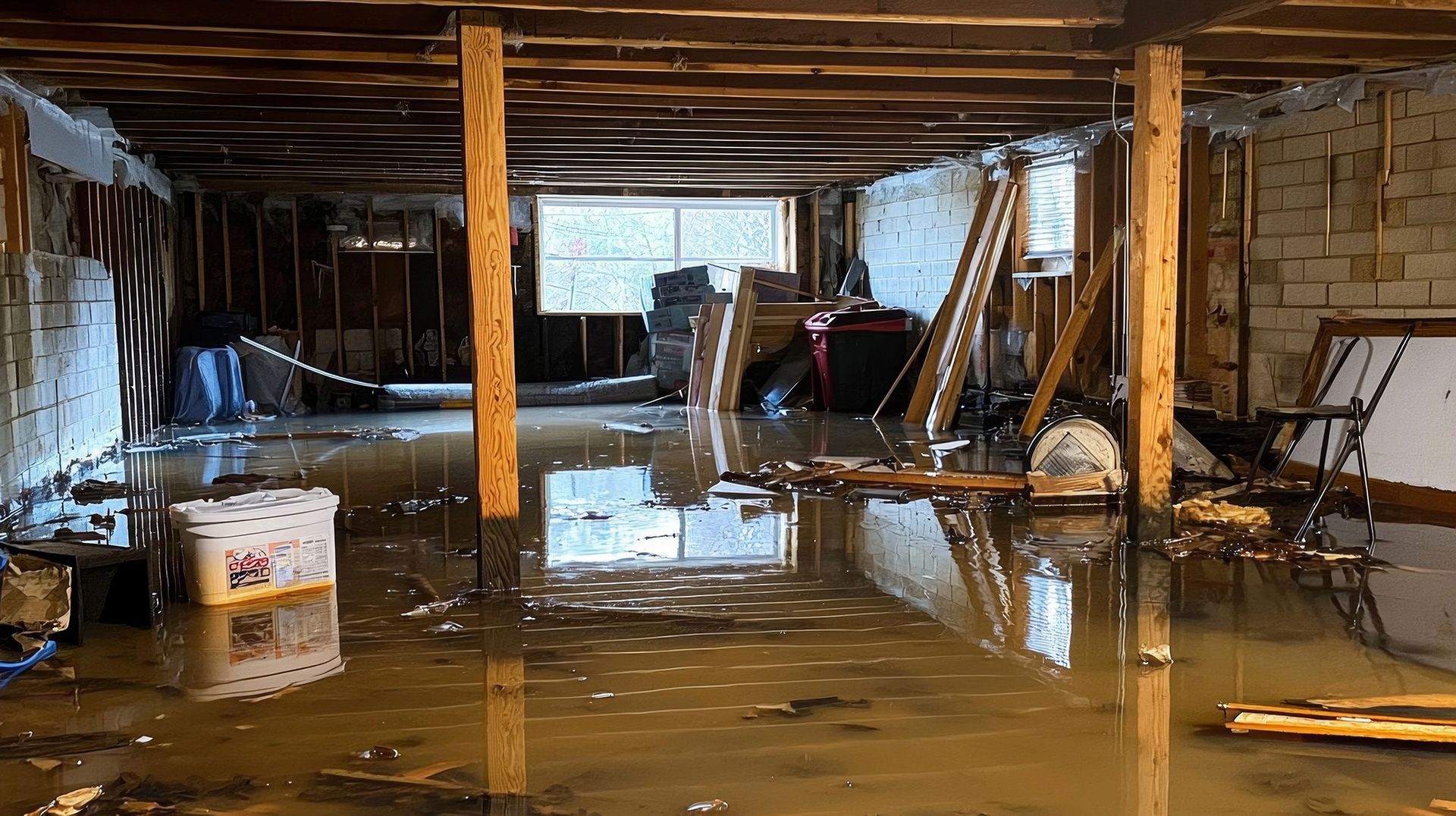
- In attics, crawl spaces, and basements
- Around areas affected by previous water damage
A persistent musty odor, unexplained discoloration, or evidence of excess moisture may indicate that further investigation is warranted. A professional mold inspection can help assess areas of concern and determine appropriate next steps.
Inspections Help Determine the Extent of the Problem
Finding a small patch of visible mold does not necessarily reveal the full extent of an issue. Moisture may have traveled into surrounding materials, allowing mold growth to occur beyond the immediately visible area.
Professional mold inspectors use their training, experience, and appropriate equipment to evaluate conditions throughout the property. Depending on the circumstances and services provided, an inspection may include visual assessments, moisture evaluations, and additional testing or investigative methods.
Understanding the scope of the problem is an important step toward developing an effective remediation strategy.
Mold Can Damage Building Materials
Beyond concerns about indoor environmental quality, mold can also affect materials throughout a building. When moisture and mold growth remain unaddressed, drywall, insulation, wood, carpeting, ceiling materials, and other components may become damaged.
The longer moisture problems persist, the more extensive the resulting deterioration may become. Early identification and professional mold removal can help property owners address affected materials before the situation becomes more difficult or costly to manage.
Professional Mold Removal Goes Beyond Surface Cleaning
Simply wiping visible mold from a surface may not address the underlying problem. Mold can grow within porous materials or return if the moisture source responsible for its development remains unresolved.
Professional mold removal services take a more comprehensive approach. Depending on the situation, technicians may isolate affected areas, remove contaminated materials, clean appropriate surfaces, and take other measures designed to control the spread of mold during the remediation process.
Addressing the source of moisture is equally important. Without correcting leaks, excessive humidity, drainage problems, or other moisture concerns, mold may eventually return even after affected areas have been cleaned.
Mold Remediation Can Help Protect Indoor Environments
Indoor mold growth can affect air quality and may present health concerns for some occupants. Reactions can vary depending on individual sensitivities and the conditions within the property.
Professional inspection and remediation can help identify and address mold growth rather than allowing the problem to remain untreated. This can be particularly important in environments occupied by many people, including workplaces, schools, apartment buildings, healthcare facilities, and other commercial or institutional properties.
Professional Services Help Reduce the Risk of Mold Spreading
Attempting to remove a significant mold problem without proper procedures can potentially disturb spores and affected materials. This may contribute to mold spreading into previously unaffected portions of a building.
Experienced mold removal professionals understand how to approach contaminated areas carefully. Containment procedures, specialized equipment, and appropriate cleaning and removal methods can help limit cross-contamination while affected materials are being addressed.
Prompt Action Can Prevent a Small Problem From Becoming Larger
Water and moisture problems should not be ignored simply because mold growth is not yet extensive. A small leak or isolated area of discoloration may indicate conditions that could eventually lead to a more significant issue.
Scheduling an inspection promptly gives professionals an opportunity to assess the situation and recommend appropriate action. Early intervention may reduce the amount of material requiring remediation while helping property owners address the underlying source of moisture.
Contact Our Certified Mold Removal Team to Request Assistance
Effective mold management begins with understanding where the problem is located, how extensive it is, and what conditions allowed it to develop. Professional mold inspection and removal services provide a systematic approach to identifying affected areas, addressing contamination, and helping property owners prevent recurring problems.
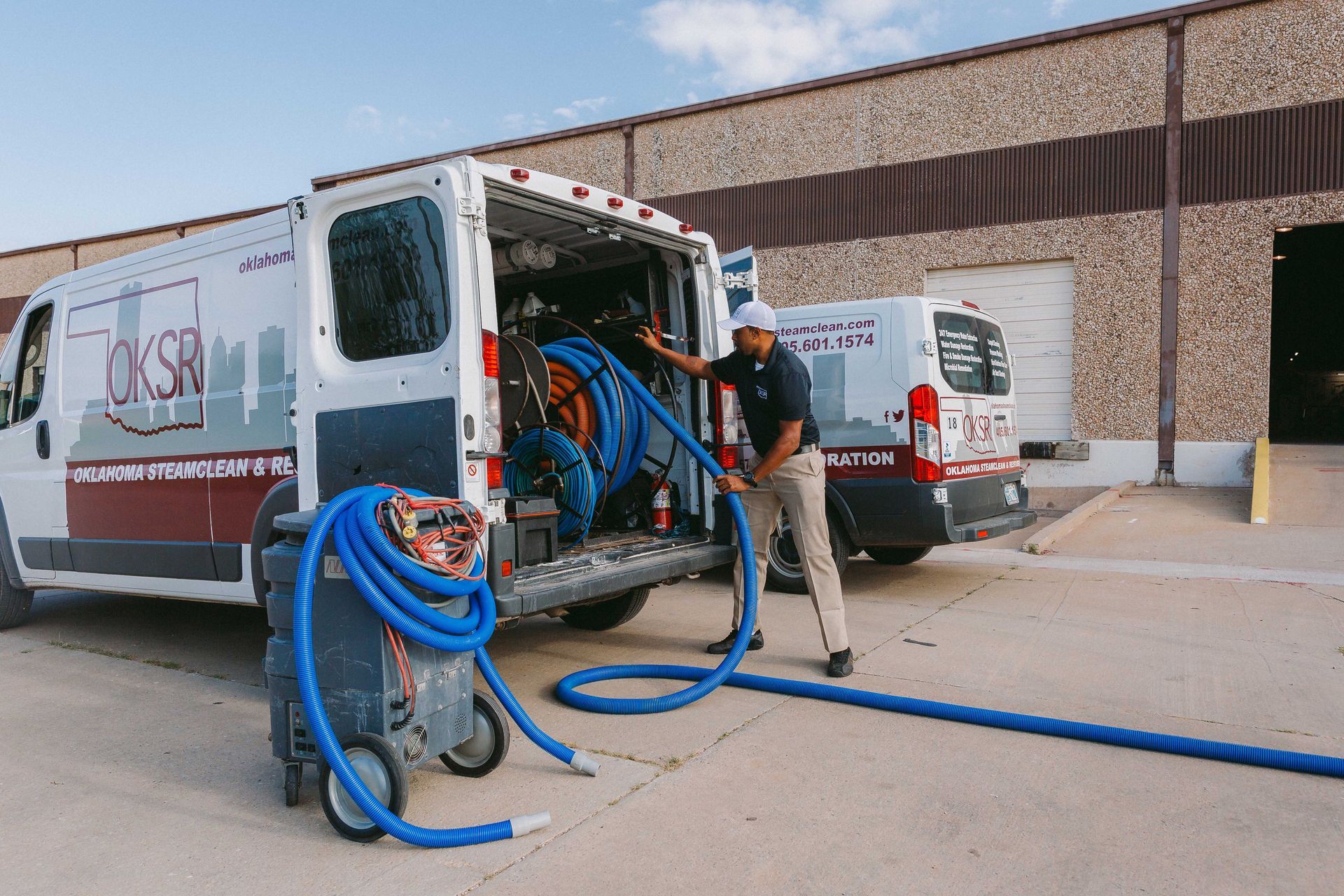
Keeping this in mind, the certified team members at OKSR - Property Restoration Services are standing by to provide support across Oklahoma City, OK and all the surrounding communities. Whether you own a local home or an established business, our crew is here to help. All you have to do is give us a call to get started!