Mold vs. Mildew - What’s the Difference & Why It Matters

June 5, 2026

If you’ve noticed dark spots on your walls, ceilings, or bathroom surfaces, you may be wondering whether you’re dealing with mold or mildew. While the two are often confused, they are not the same — and understanding the difference can help protect your home, your health, and your property value.


At OKSR Property Restoration Services, we help Oklahoma home- and business owners identify, remove, and prevent both mold and mildew before they become serious problems. As a locally owned restoration company serving Oklahoma City and surrounding communities since 1982, we’ve seen firsthand how quickly moisture problems can escalate. 


What Is Mildew?


Mildew is a type of surface fungus that typically grows in warm, damp areas. It usually appears as a white, gray, or yellow patch and is commonly found in bathrooms, kitchens, window sills, and other humid environments.


Mildew is generally easier to clean and less invasive than mold. It tends to remain on the surface rather than penetrating deeply into walls, flooring, or structural materials.


Common signs of mildew include:


  • A musty odor 
  • Flat or powdery texture 
  • Growth on tile, grout, shower curtains, or windows 
  • Mild allergy symptoms 


While mildew may seem harmless at first, it can still affect indoor air quality and signal underlying moisture issues.


What Is Mold?


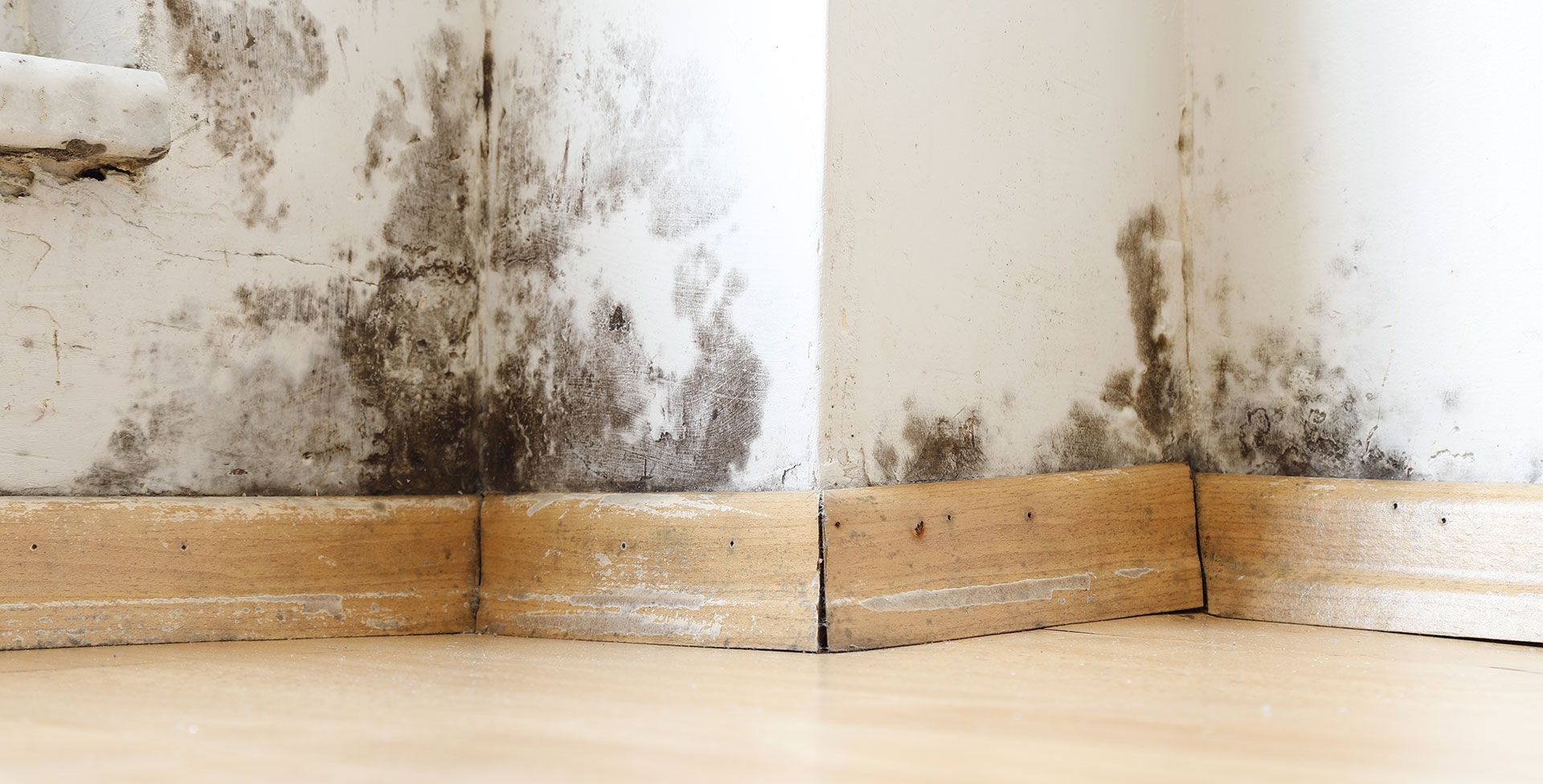
Mold is more serious and potentially more damaging. Unlike mildew, mold can spread deep into porous materials like drywall, wood, carpet, and insulation. Mold thrives in moist conditions caused by leaks, flooding, roof damage, plumbing failures, or poor ventilation. Mold often appears green, black, brown, or dark gray and may have a fuzzy or slimy texture.


According to restoration industry guidance, mold growth commonly occurs after water damage and can spread behind walls and ceilings if moisture is not properly addressed. 


Signs of mold include:


  • Persistent musty odors 
  • Dark stains on walls or ceilings 
  • Peeling paint or bubbling drywall 
  • Increased allergy or respiratory symptoms 
  • Recent flooding or water damage 


Why Mold Is a Bigger Concern


Mold doesn’t just damage surfaces — it can compromise structural materials and create unhealthy indoor conditions. If left untreated, mold spreads quickly through microscopic airborne spores. Professional mold remediation is often necessary because simply wiping away visible growth does not eliminate hidden moisture or contamination.


At OKSR, our trained restoration specialists identify the source of moisture, remove contaminated materials when necessary, and restore affected areas safely and thoroughly. 


Can You Remove Mold Yourself?


Small surface mildew problems can sometimes be cleaned using household products. However, larger mold issues should always be handled by professionals. DIY cleanup can actually worsen contamination by spreading mold spores throughout the property. If mold covers a large area, returns repeatedly, or follows water damage, it’s best to contact a restoration expert immediately.


Professional restoration companies use specialized drying equipment, containment procedures, and moisture detection tools to ensure the problem is fully resolved. 


How to Prevent Mold and Mildew


The key to preventing both mold and mildew is controlling moisture.


Helpful prevention tips include:


  • Fix plumbing leaks quickly 
  • Use exhaust fans in bathrooms and kitchens 
  • Keep indoor humidity levels low 
  • Dry water damage immediately 
  • Inspect roofs and windows regularly 
  • Schedule professional water restoration after flooding 


Fast action matters. Industry experts recommend immediate drying and mitigation after water intrusion to reduce the risk of microbial growth. 


Trust OKSR for Mold Inspection & Restoration


When moisture problems strike, a fast response makes all the difference. OKSR Property Restoration Services provides professional mold inspection, mold remediation, and water damage restoration throughout Oklahoma City, Yukon, Edmond, Moore, and surrounding areas. 


Whether you’re dealing with minor mildew or extensive mold growth after flooding, our experienced team is ready to restore your property safely and efficiently. Contact OKSR today for trusted mold remediation and restoration services.
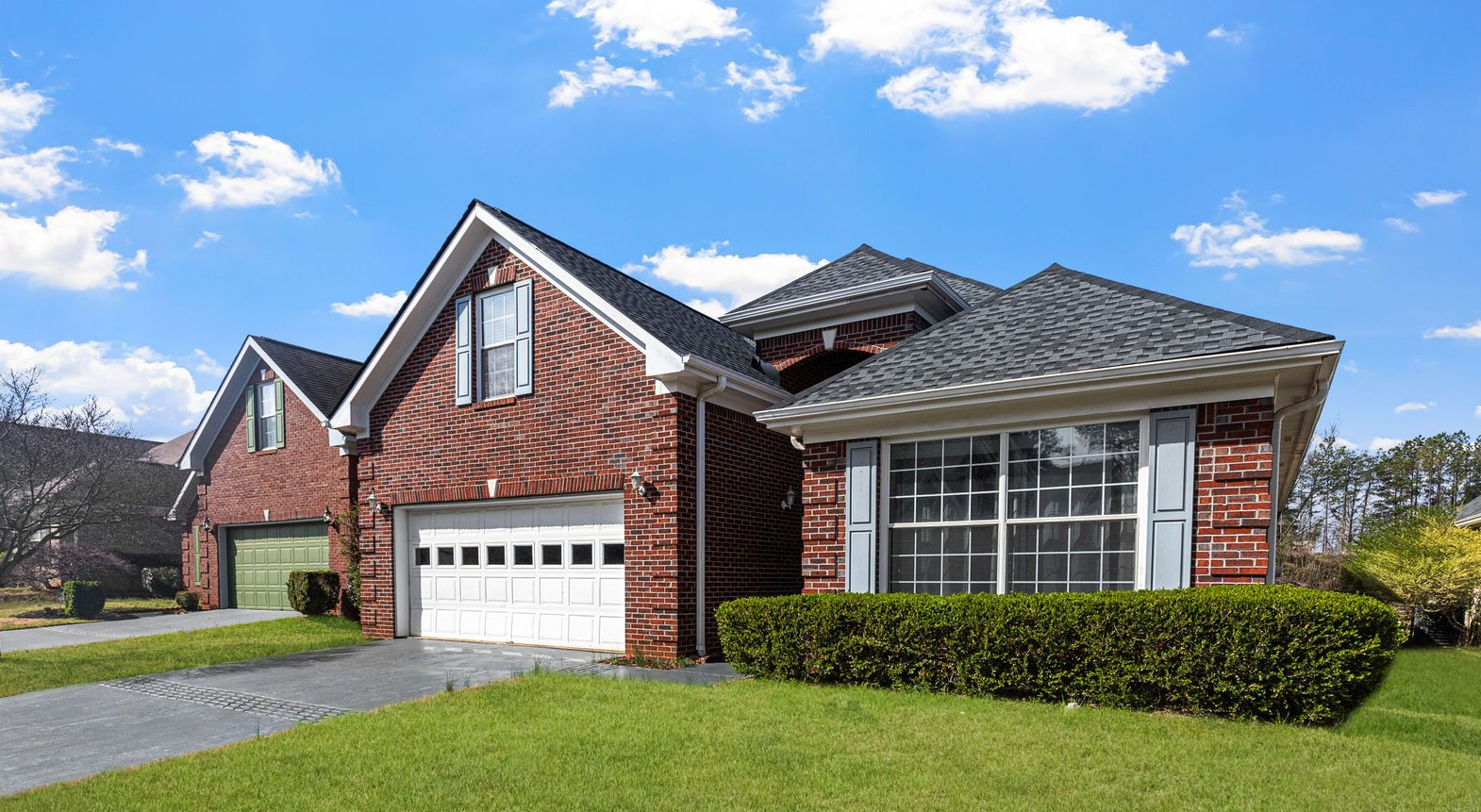
Suburban Home in Yukon, OK
September 2, 2026
Learn about the importance of mold inspection and removal services with the help of OKSR - Property Restoration Services. We support clients in Moore, OK and beyond!
August 6, 2026
Not all water damage is immediately visible. While a burst pipe or flooded basement is easy to spot, hidden water damage can quietly spread behind walls, above ceilings, and beneath flooring for weeks—or even months—before homeowners realize there's a problem. By then, moisture may have caused structural damage, mold growth, and costly repairs. Knowing what to look for can help you catch hidden water damage early and protect your home. If you notice any of the following warning signs, it's time to contact a professional Water Damage Restoration company. 1. Water Stains on Walls or Ceilings One of the most common indicators of hidden water damage is discoloration. Brown, yellow, or copper-colored stains often signal that water is leaking from a pipe, roof, or upstairs plumbing fixture. Even if the stain appears dry, moisture may still be trapped behind the surface. Professional Water Damage Restoration specialists use moisture detection equipment to identify hidden leaks before they cause further damage. 2. Peeling Paint or Bubbling Drywall When moisture becomes trapped behind drywall, it weakens the surface over time. You may notice: Bubbling paint Peeling wallpaper Soft drywall Cracks forming around seams Sagging ceiling sections These are often signs that water has been accumulating behind the wall for an extended period. 3. A Musty or Damp Odor If part of your home smells damp even though everything appears dry, hidden moisture could be the culprit. Persistent musty odors often indicate mold growth inside walls, ceilings, crawl spaces, or insulation. Because mold thrives in dark, damp environments, hidden leaks create the perfect conditions for it to spread. Prompt Mold Removal is essential to prevent damage from worsening and to help maintain healthy indoor air quality. 4. Warped Floors or Baseboards Water doesn't always stay where the leak begins. Moisture can travel through walls and under flooring before becoming noticeable. Watch for: Buckling hardwood floors Warped laminate flooring Loose tiles Swollen baseboards Soft spots under carpeting These symptoms often indicate water has been present for longer than expected. 5. Unexpectedly High Water Bills A hidden plumbing leak behind a wall may not leave visible signs immediately, but it can significantly increase your monthly water bill. If your water usage suddenly rises without explanation, consider having your plumbing system and home inspected for hidden leaks. 6. Mold Appearing in Unusual Places Mold growing on walls or ceilings is often just the visible portion of a much larger problem hidden behind building materials. Because mold can begin developing within 24 to 48 hours after moisture is introduced, professional Water Damage Restoration and Mold Removal should begin as quickly as possible to minimize damage. 7. Ceiling Sagging or Soft Spots A sagging ceiling is more than a cosmetic concern—it may indicate water has pooled above the drywall. Common causes include: Roof leaks Upstairs plumbing leaks Overflowing bathtubs HVAC condensation If left untreated, a water-filled ceiling can eventually collapse, creating a serious safety hazard. Why Hidden Water Damage Should Never Be Ignored Small leaks rarely stay small. Over time, hidden moisture can lead to: Structural wood rot Damaged insulation Electrical hazards Mold infestations Damaged flooring Expensive repairs The sooner hidden moisture is discovered, the easier—and often less expensive—it is to restore your property. Professional Moisture Detection Makes the Difference Professional restoration companies use specialized equipment that can locate moisture hidden from view, including: Moisture meters Thermal imaging cameras Hygrometers Commercial drying equipment These tools allow technicians to identify water that's trapped behind walls and ceilings without unnecessary demolition. Some Water Damage Requires Specialized Cleanup Not all water damage involves clean water. Flooding caused by sewage backups or contaminated water requires professional Flood Cleanup and Biohazard Cleanup Services to safely remove hazardous materials and disinfect affected areas. Working with a full-service restoration company ensures every type of damage is handled according to industry standards. Restoration Beyond Water Damage Many property emergencies involve more than one type of damage. A trusted restoration company can often provide Fire Damage Restoration alongside water mitigation, mold remediation, and reconstruction services, helping homeowners recover more quickly after unexpected disasters.
August 6, 2026
Water damage can happen when you least expect it. Whether it's caused by a burst pipe, heavy rain, an overflowing appliance, or a plumbing leak- acting quickly can make a significant difference in minimizing damage and reducing repair costs. The first 24 hours are critical to protecting your home, preventing mold growth, and restoring your property safely. If your home has experienced water damage, follow these important steps while contacting a professional Water Damage Restoration company as soon as possible. 1. Ensure Everyone's Safety Before entering the affected area, make sure it is safe to do so. If water has come into contact with electrical outlets, appliances, or your electrical panel, avoid entering the area until the power has been shut off by a qualified professional. If flooding is severe or the structure appears compromised, leave the home and wait for emergency responders or restoration professionals. If the water is contaminated by sewage or other hazardous materials, avoid direct contact. Situations involving contaminated water often require specialized Biohazard Cleanup Services to safely sanitize and restore the property. 2. Stop the Source of the Water If possible, identify and stop the source of the water intrusion. This may involve: Shutting off the home's main water supply Turning off an appliance that's leaking Covering roof damage after a storm Closing windows or doors allowing rainwater inside Stopping the water source prevents additional damage while restoration efforts begin. 3. Contact a Professional Water Damage Restoration Company Time is one of the biggest factors in successful restoration. Professional Water Damage Restoration specialists have the equipment needed to quickly remove standing water, thoroughly dry affected materials, and identify hidden moisture that can lead to costly structural damage. If your property has experienced significant flooding, professional Flood Cleanup services are essential to remove contaminated water and restore your home safely. 4. Document the Damage Before beginning cleanup, take photos and videos of all affected areas. Be sure to document: Standing water Damaged flooring Wet drywall Furniture Personal belongings Structural damage This documentation can help support your insurance claim and speed up the claims process. 5. Remove Standing Water (If It's Safe) If the amount of water is minimal and the area is safe, you can begin removing standing water using towels, mops, or a wet vacuum. However, extensive flooding should always be handled by professionals with commercial-grade extraction equipment. The sooner excess water is removed, the lower the risk of permanent damage. 6. Begin Drying the Area Even after visible water has been removed, moisture can remain trapped inside walls, flooring, insulation, and cabinetry. Open windows when weather permits, increase air circulation with fans, and use dehumidifiers if available. Professional restoration companies use specialized drying equipment and moisture meters to ensure hidden moisture is completely eliminated. 7. Remove Wet Items Move wet furniture, rugs, clothing, and other belongings to a dry area if they can be safely salvaged. Remove wet cushions, books, cardboard boxes, and other porous materials that may quickly develop mold. If certain items cannot be safely cleaned due to contamination, professional disposal may be necessary. 8. Watch for Mold Growth Mold can begin developing within 24 to 48 hours after water damage. That's why immediate drying is so important. Watch for warning signs such as: Musty odors Discoloration on walls or ceilings Visible mold growth Increased allergy symptoms If mold is discovered, professional Mold Removal is the safest and most effective solution. Attempting to remove widespread mold without proper equipment can actually spread spores throughout the home. 9. Understand When Specialized Cleanup Is Needed Not every restoration project involves clean water. Sewage backups, contaminated floodwater, unattended deaths, or traumatic events require specialized cleaning procedures to protect the health of everyone involved. Professional Biohazard Cleanup Services and Crime Scene Cleanup teams follow strict safety protocols to properly clean, disinfect, and restore affected areas while complying with industry regulations. 10. Plan for Complete Restoration Depending on the severity of the damage, restoration may involve replacing drywall, flooring, insulation, cabinets, or other building materials. Working with a full-service restoration company helps streamline the process from emergency response through reconstruction. Many restoration professionals also provide Fire Damage Restoration services, making them a trusted resource for homeowners facing multiple types of property damage.
Water Droplet
June 5, 2026
Learn more about the importance of water damage restoration after a flood with the assistance of OKSR - Property Restoration Services. We're here to help!
Wall with black mold growth
April 20, 2026
Delaying water damage restoration can lead to mold growth, structural issues, and costly repairs. Learn why fast action is critical to protect your property.